




Quality, by definition, is the "relationship between satisfied requirements and expected requirements". Our EN ISO 9001 certified Quality Management System achieves this through ongoing dialogue with each of our stakeholders.
The Design of Projects
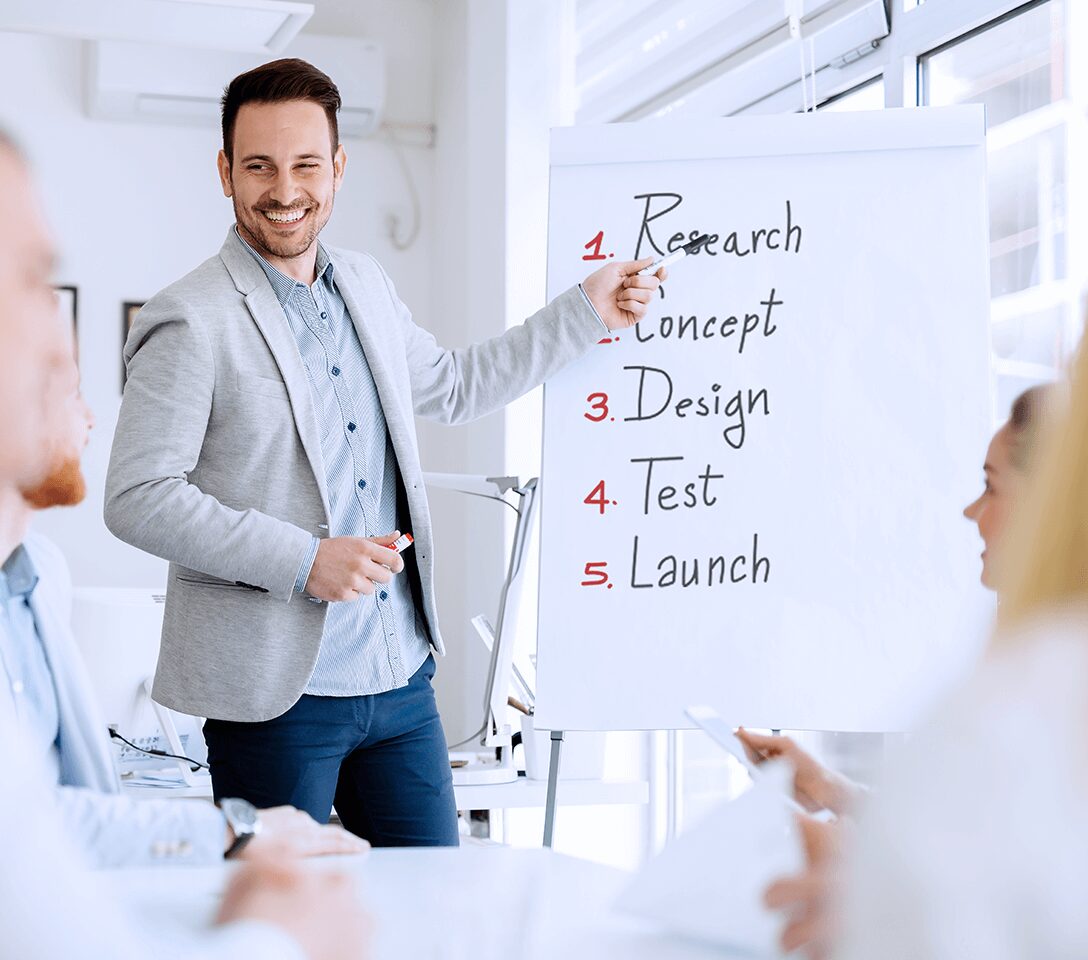
We follow a project methodology where every decision is considered and based on evidence gathered through a process similar to Design Thinking. In-depth analysis of information guides decisions and hypothesis formulation, avoiding random solutions. Within this framework, empathizing with the needs of end-users becomes crucial in transforming complexity into user-friendly solutions.

Essential Resources for Understanding Design Thinking
Design Thinking in Three Steps – Think with Google
This article explores the fundamental principles of Design Thinking, highlighting its impact on driving creativity and innovation in marketing strategies. It provides practical guidelines for incorporating user-centered methodologies across different phases of the marketing process.
The 5 Stages in the Design Thinking Process – Interaction Design Foundation
A comprehensive guide from the renowned IDF institution that dissects the five key stages of the Design Thinking process: Empathize, Define, Ideate, Prototype, and Test. Each phase is thoroughly explained with real-world examples and actionable implementation strategies.
What is Design Thinking and Why is it Important? Harvard Business School Online
A thorough examination of Design Thinking, tracing its origins and emphasizing its crucial role in tackling complex challenges. The piece features valuable insights from industry experts and showcases successful applications of Design Thinking across various sectors.
What is Design Thinking? IDEO-U
An in-depth exploration of Design Thinking, emphasizing its human-centric approach and iterative nature. The article presents a collection of real-world case studies demonstrating how Design Thinking fuels innovation across diverse industries.
Ergonomics and Optimization
Our new Range of Products, for example, stems from directly collecting suggestions and feedback from users, installers, and our team members. The result is a reduction and streamlining of the number of components, allowing for more intuitive and faster assembly of our Safety Barriers. This rationalization has simultaneously optimized production processes, achieving more efficient machine management and minimizing the potential for human errors.


Active Listening
We carefully analyze information from various sources: market research, data from our Industry 4.0 connected machines, input from sales reps and colleagues. Most importantly, we prioritize direct customer feedback to fully understand what they expect from our products and services. Empathy and two-way communication are at the core of every process because only this way can we grasp the real needs of our stakeholders.
The EN ISO 9001 Standard
Every idea is analyzed and examined based on the information we collect. If deemed feasible and sustainable, it's developed and finally reviewed with an eye toward improvement. This circular "Plan-Do-Check-Act" process is outlined in the EN ISO 9001 Standard that we embrace as an essential mindset, regardless of our Quality Policy, which we've been certified for since 2021.

The Deming Cycle
The Deming Cycle is a circular process aimed at the management and the optimization of processes. It consists of four phases that repeat cyclically until the objectives are achieved.
- Plan: planning in this phase, goals and tools to achieve them are defined;
- Do: implementation of processes;
- Check: verifying results so as to determine if the goals have been met;
- Act: analyzing the results in order to identify areas for improvement to be then integrated into a new cycle.

Quality and Usability
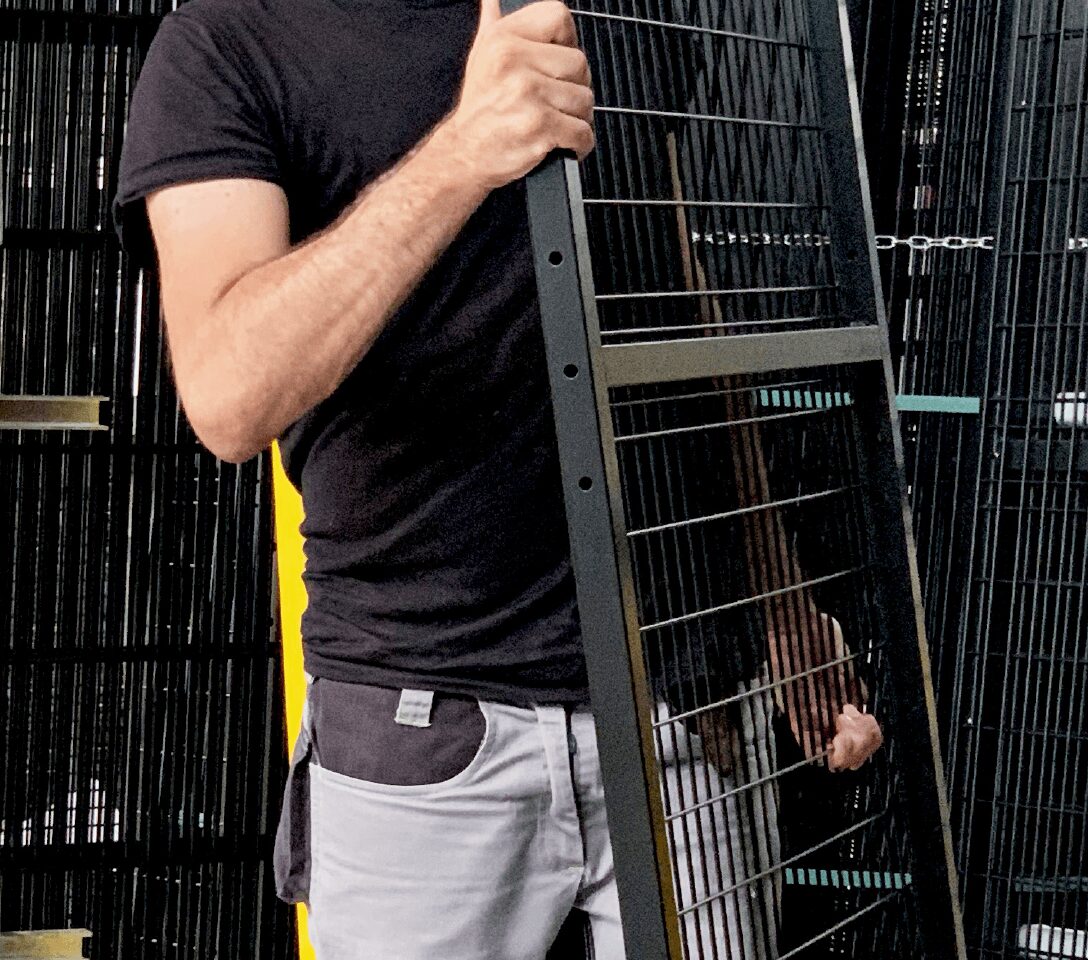
Our approach to Quality Management also applies to all our Machine Safety Fencing Systems, which, besides meeting Reference Industry Standards, are designed to offer the ergonomics and usability features that the market demands. We listen carefully to our customers to understand their needs and develop Solutions in line with their requests.

Embracing the Right Mindset
"Quality, before being a set of standards, strategies, and techniques, is a mental attitude that determines people's behaviors." A mental attitude is an expression of humanity, like the natural interaction between listener and speaker. When the attitude towards Quality becomes an integral part of corporate culture, the application of standards and processes becomes a natural consequence. Procedures become functional tools in the pursuit of shared goals.
A Mindset Shift Towards Quality through the development of the Right Culture
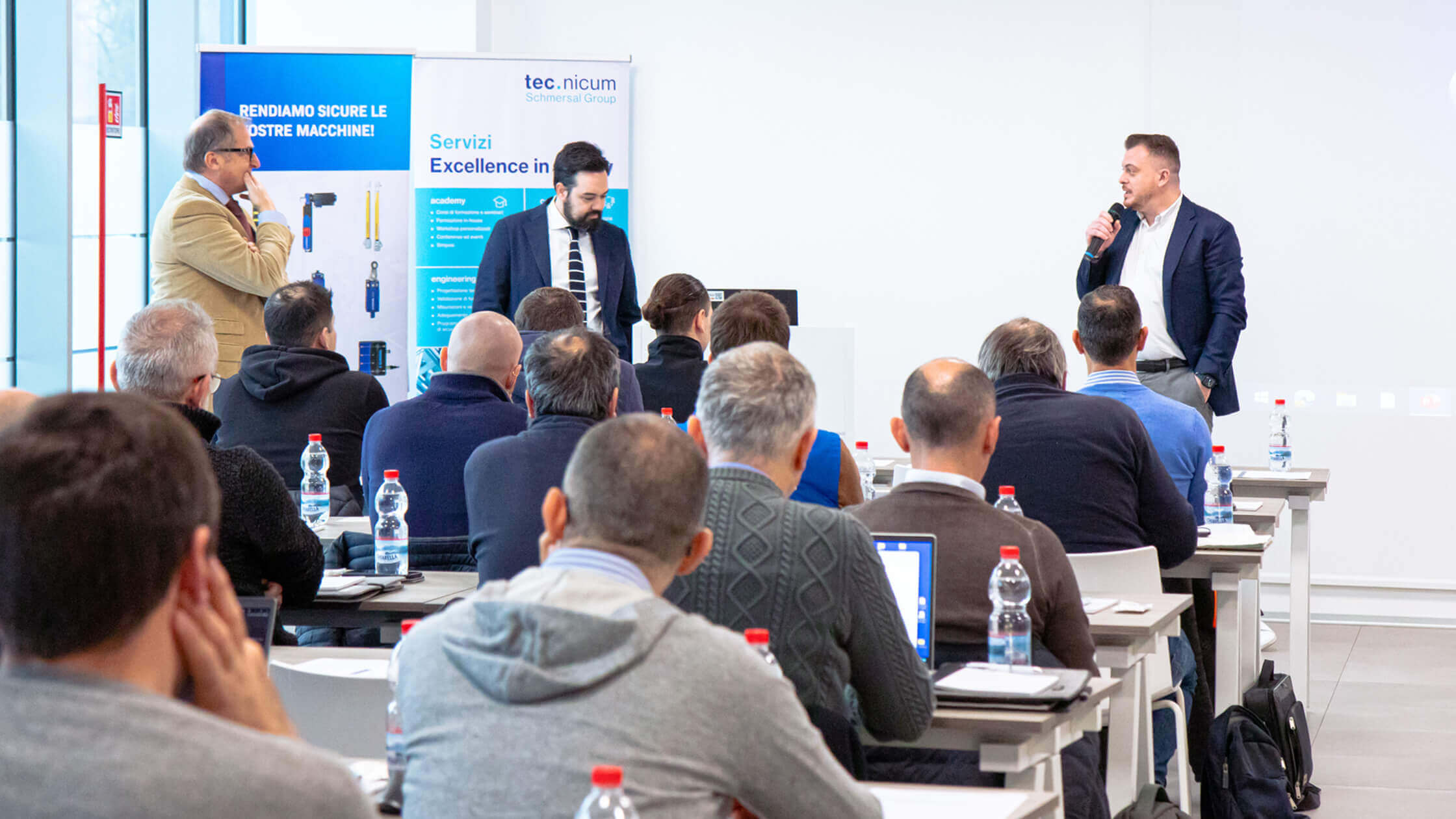
To strengthen collective commitment and maintain high adherence to Quality Management principles, we provide our staff with ongoing Training, actively promoting initiatives and training events aimed at consolidating a corporate culture that puts Continuous Improvement at the center of every process.
Creating Value from Errors
For us, Quality also means deriving value from encountered issues, transforming them into opportunities for improvement. If a customer reports a non-conformity, we do not merely remedy it: we thoroughly investigate the causes to address the root of the problem. The goal is to transform a potential critical moment into an useful input to further elevate standards.

The Dynamics of Holistic Quality
True Quality is not a destination, but rather an ever-going journey in a circular process that constantly challenges our assumptions. It's a journey of analysis, experimentation, and openness to change, driven by listening to the changing needs of the market. A growth path that turns every obstacle into a valuable improvement opportunity.
Empathy and Interaction
Listening in order to comprehend the expectations we are required to meet: for us at Satech quality stems from a continuous conversation.. We know no other way.
