Hygienic Design Conference: Advancing Food Safety Standards
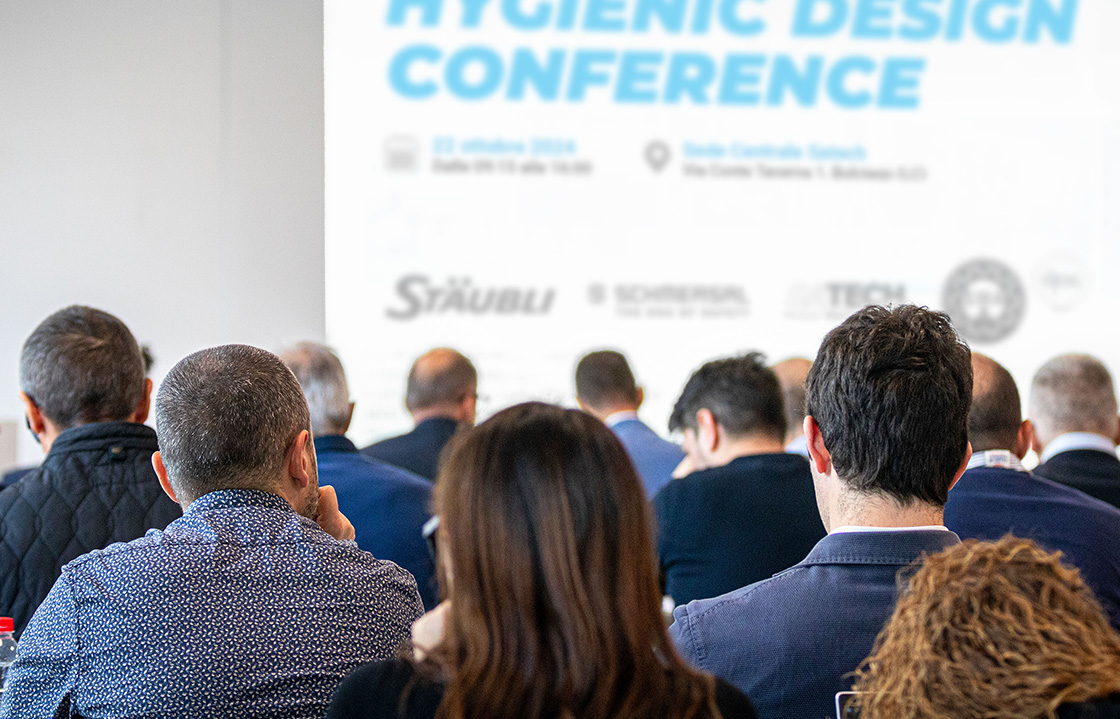
On October 22, 2024, we hosted the inaugural Hygienic Design Conference — a day dedicated to training companies and professionals in the food sector on critical hygiene and safety topics.

Organized in collaboration with Satech, Schmersal, Stäubli, and SIIIA, the event featured presentations by industry experts with diverse knowledge, all committed to fostering a Safety-First Culture across all areas of food production.
Topic Overview: Compliance, Risks, and Industry Innovations
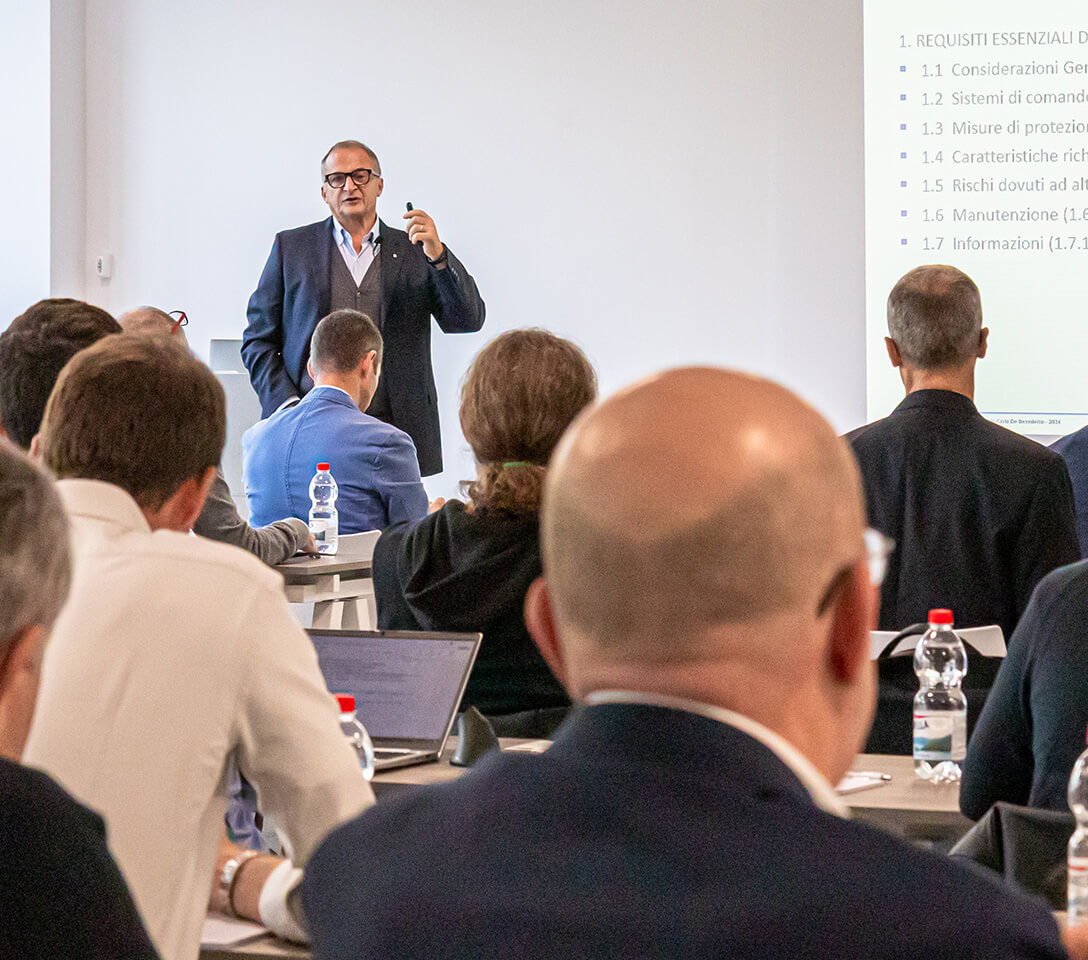
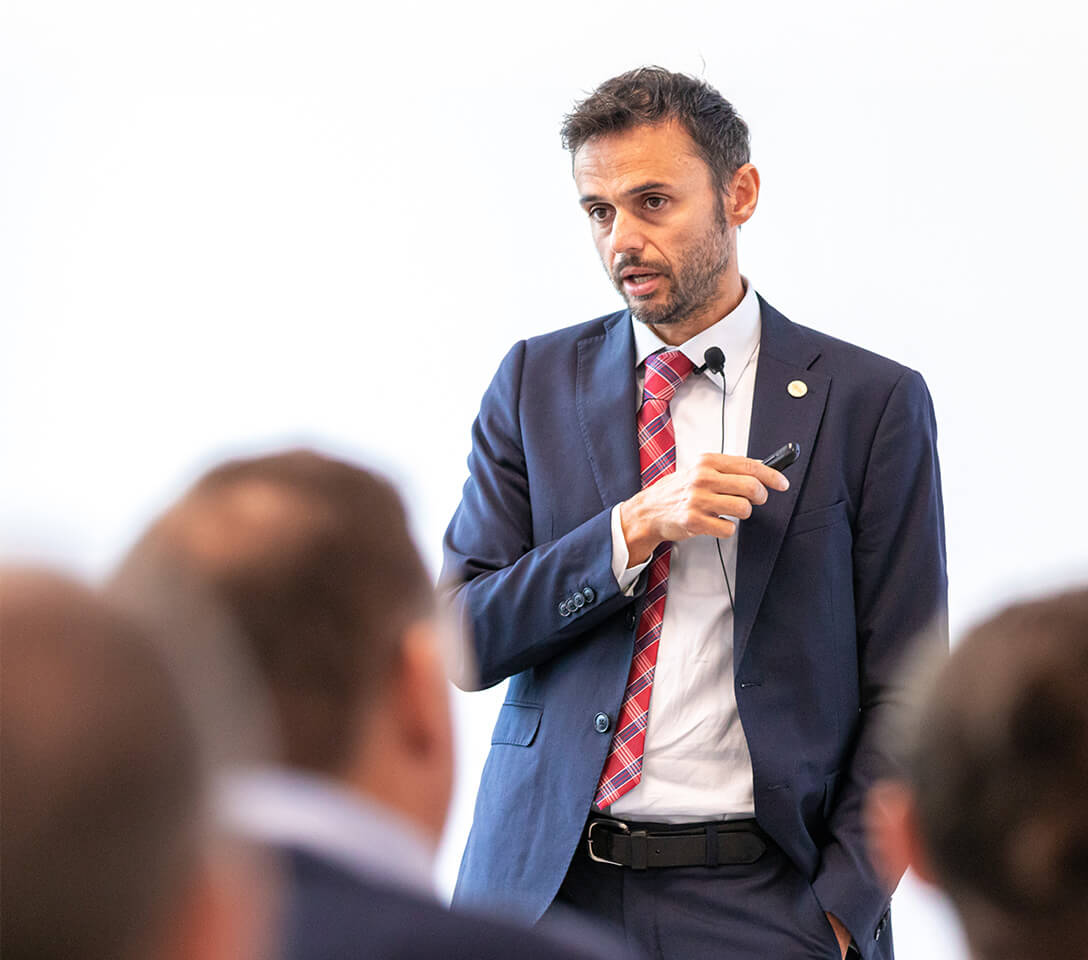
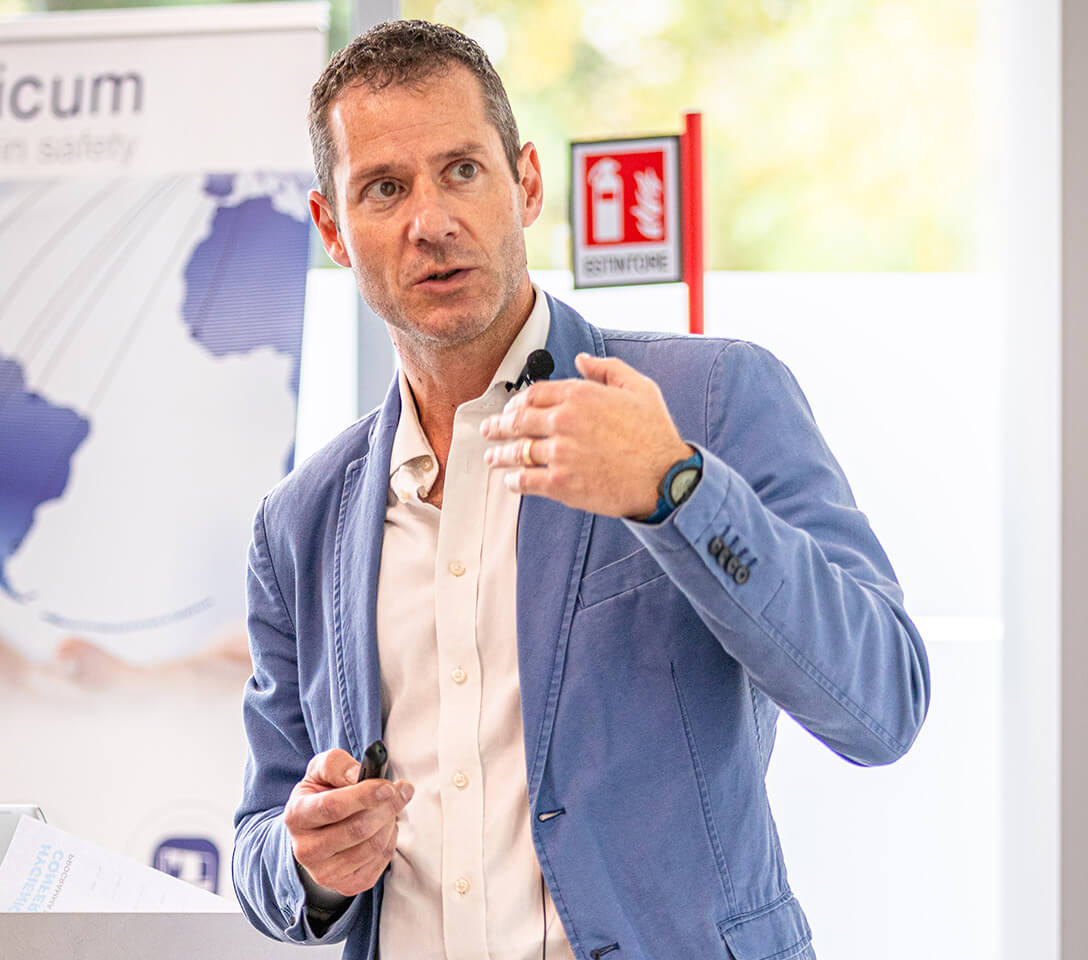
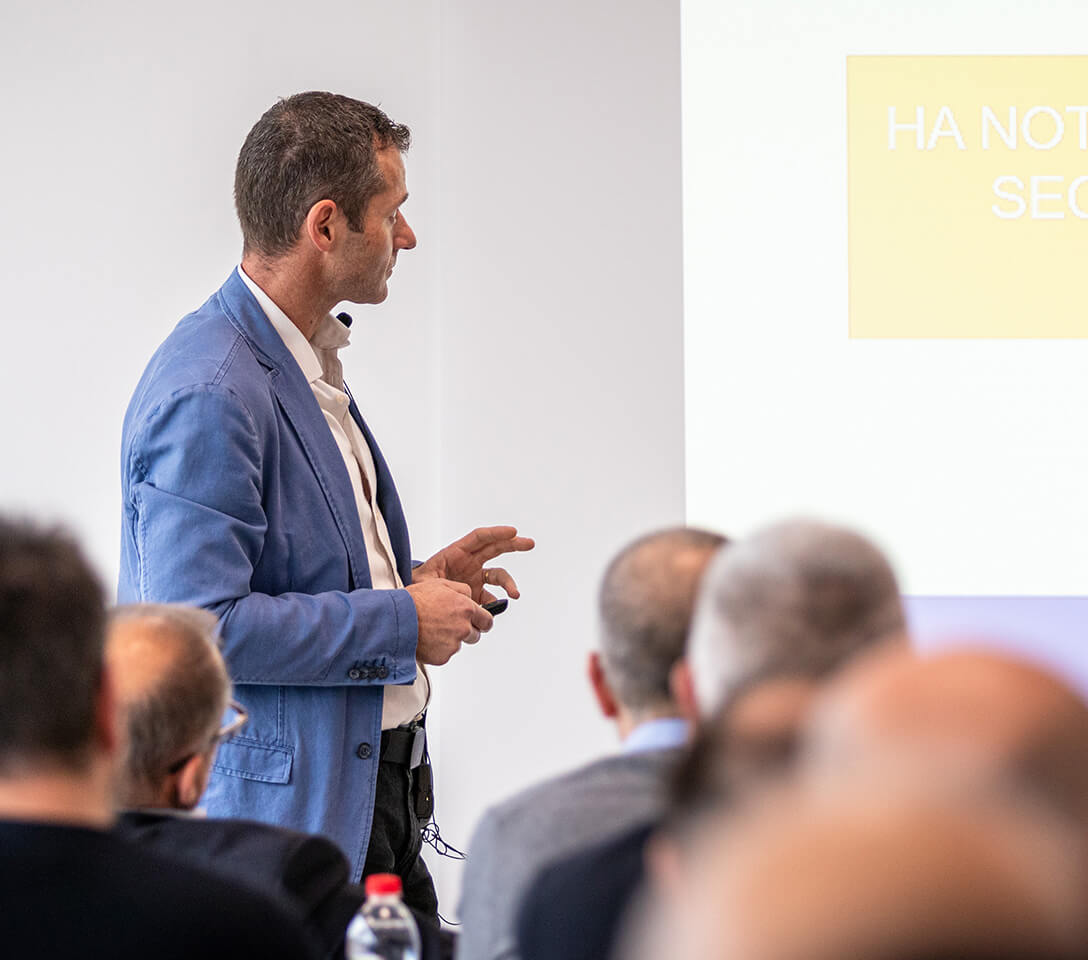
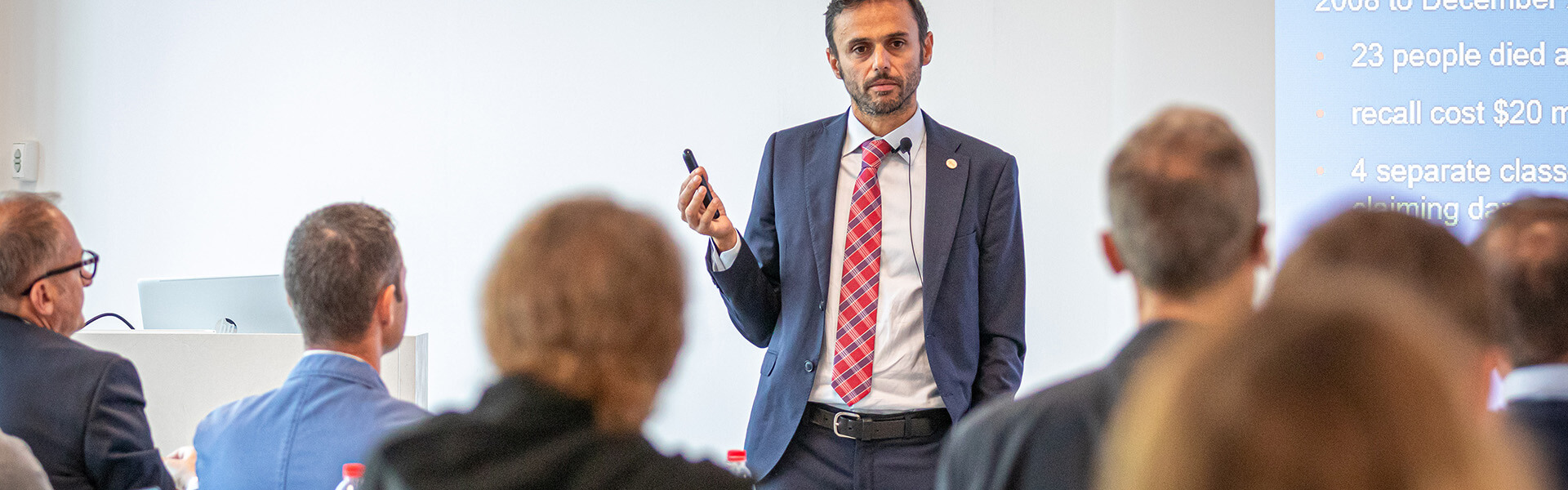
Engineer Paolo De Benedetto opened the conference, presenting an analysis of current legislation in industrial machine safety.
Through key Standards such as EN 1672-2 and EN ISO 14159, De Benedetto detailed how Risk Assessment, based on EN ISO 12100, applies to sectors like Food, Chemical, and Pharmaceutical, ensuring the highest levels of safety and compliance.
Giampaolo Betta addressed the microbiological risks impacting both consumers and food industry operators, highlighting data from RASFF on pathogen contamination. Betta emphasized that Hygienic Design is fundamental to prevent bacterial spread in food production facilities and that it is a concept championed by institutions like EFSA, GFSI, and EHEDG.
Practical Applications: Robotics, Guards, and Safety Devices
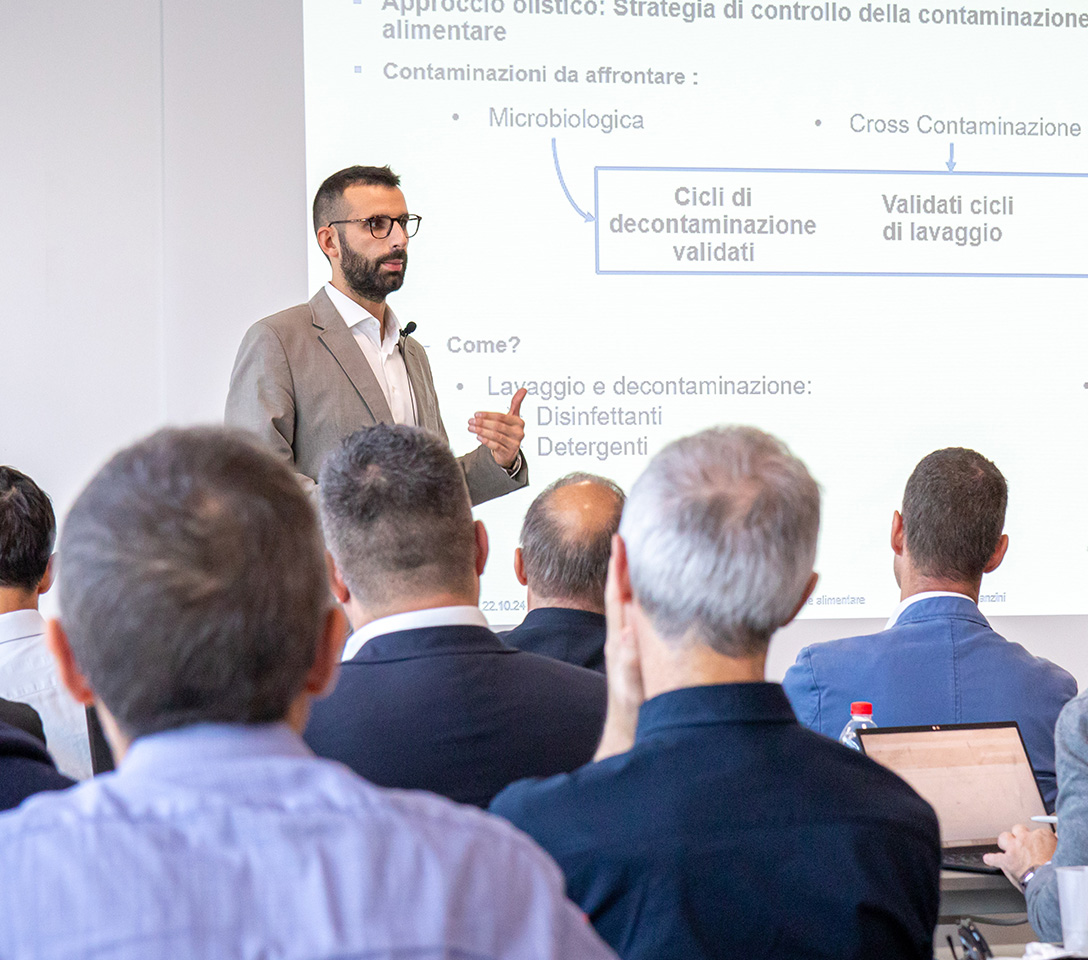
Andrea Tanzini then offered insights into robotics applications in food processing. He illustrated how robotic automation not only enhances productivity but also significantly reduces contamination risks. Designed for sanitizable environments, these advanced hygienic robots represent innovative solutions tailored to the food sector’s stringent hygiene Standards.
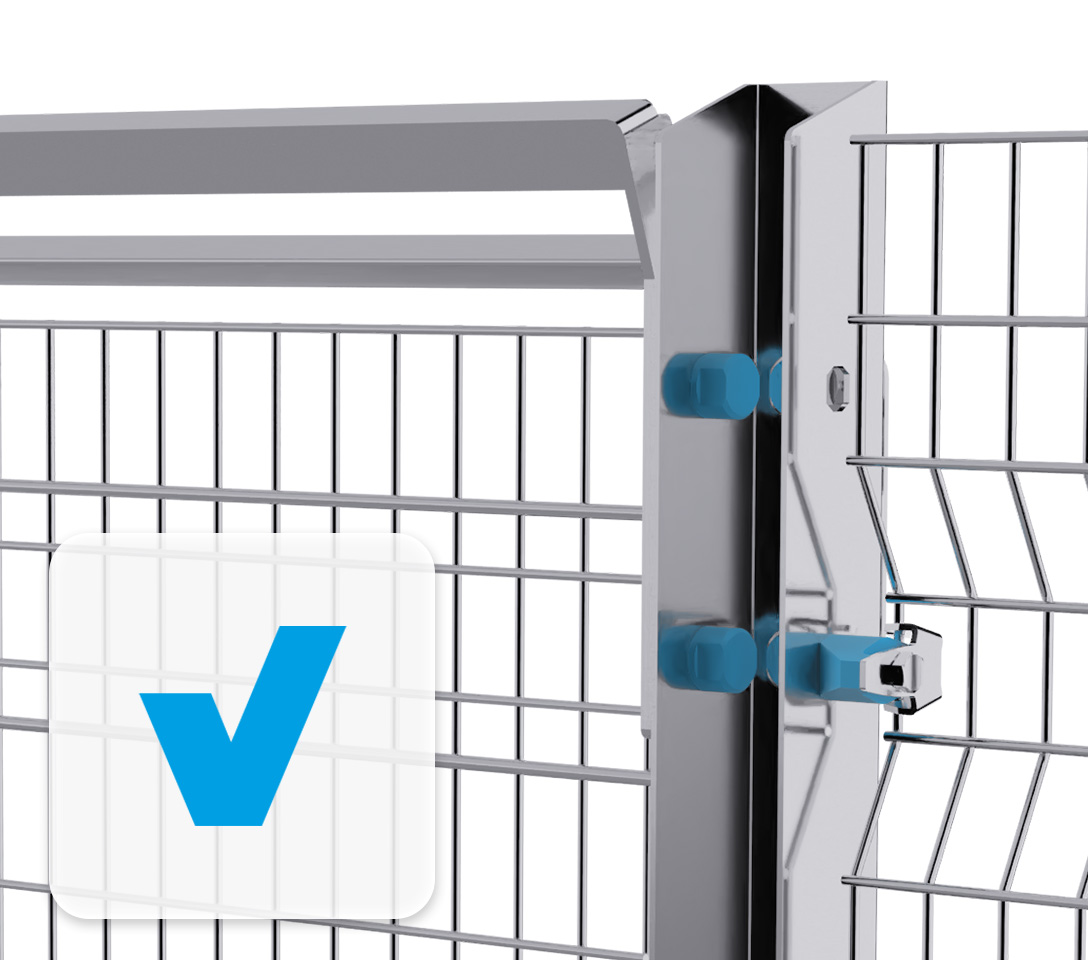
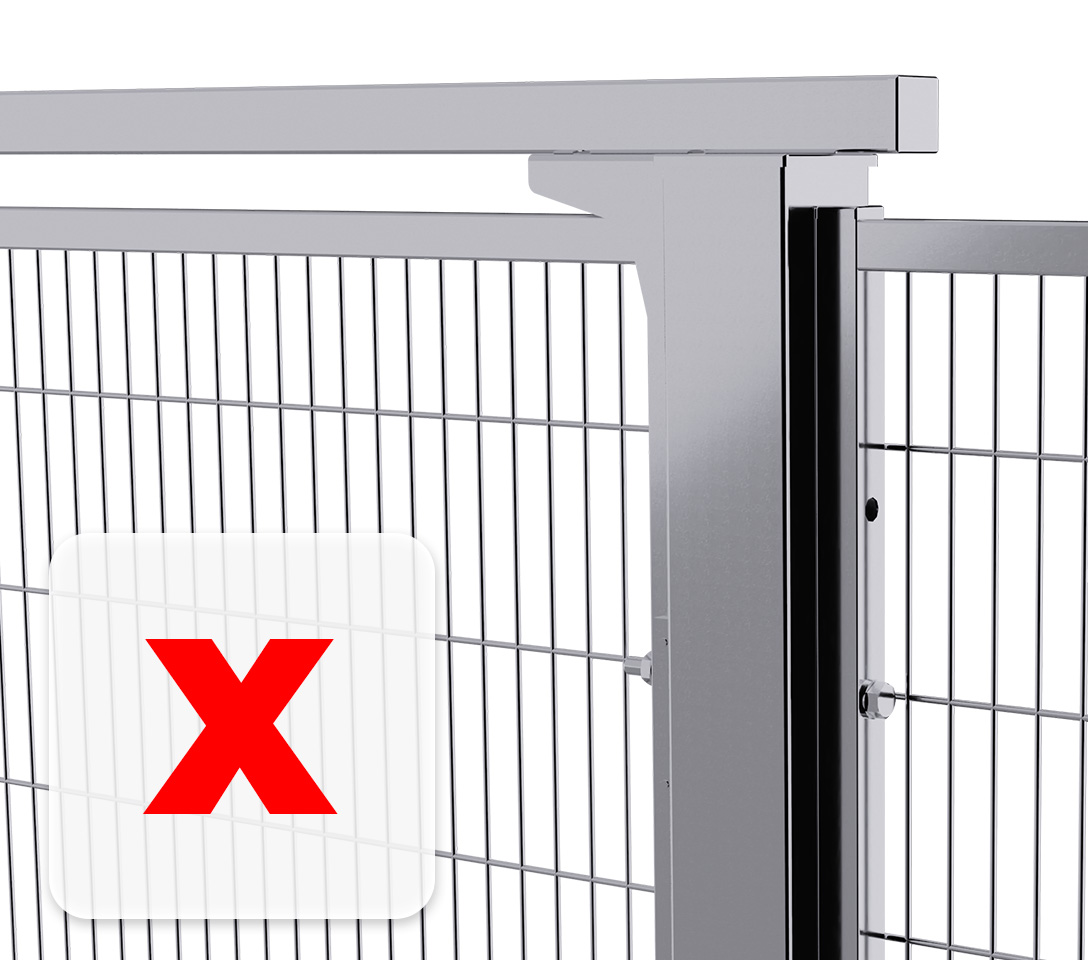
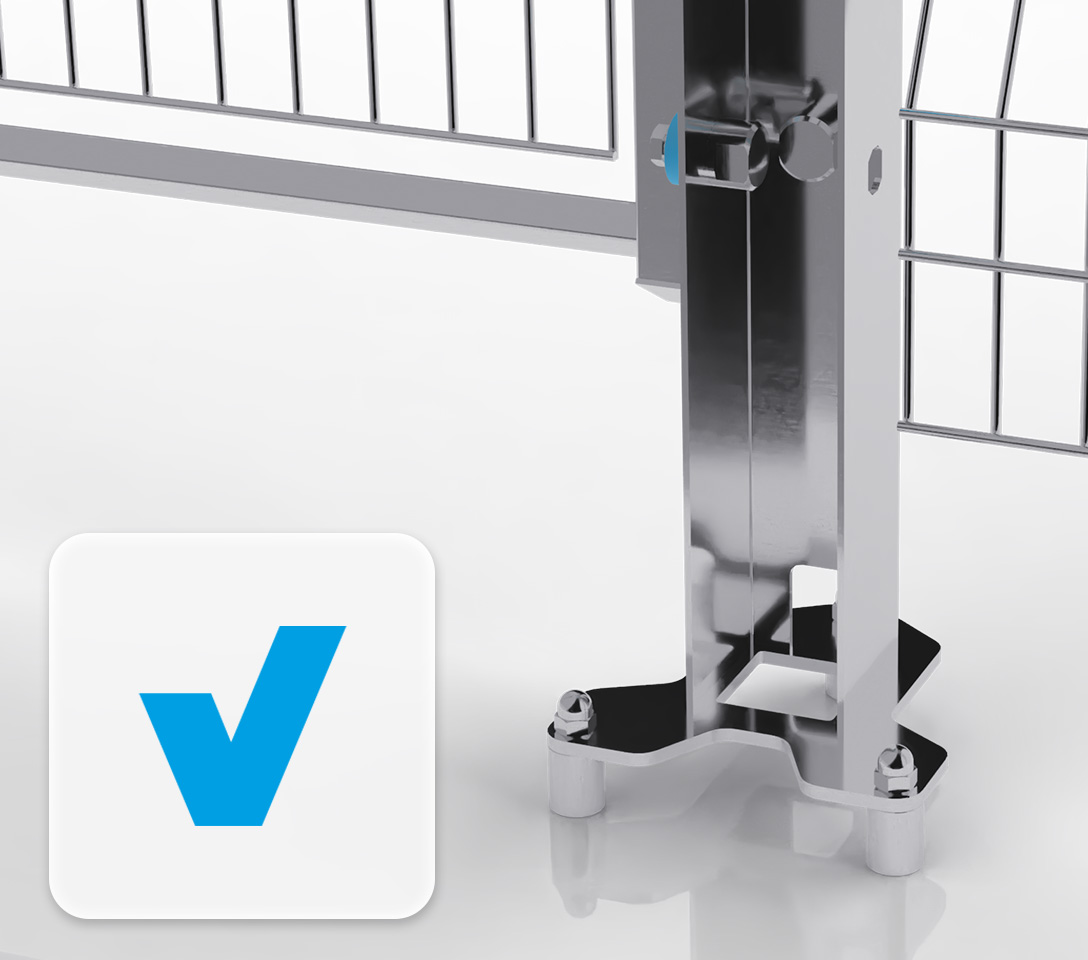
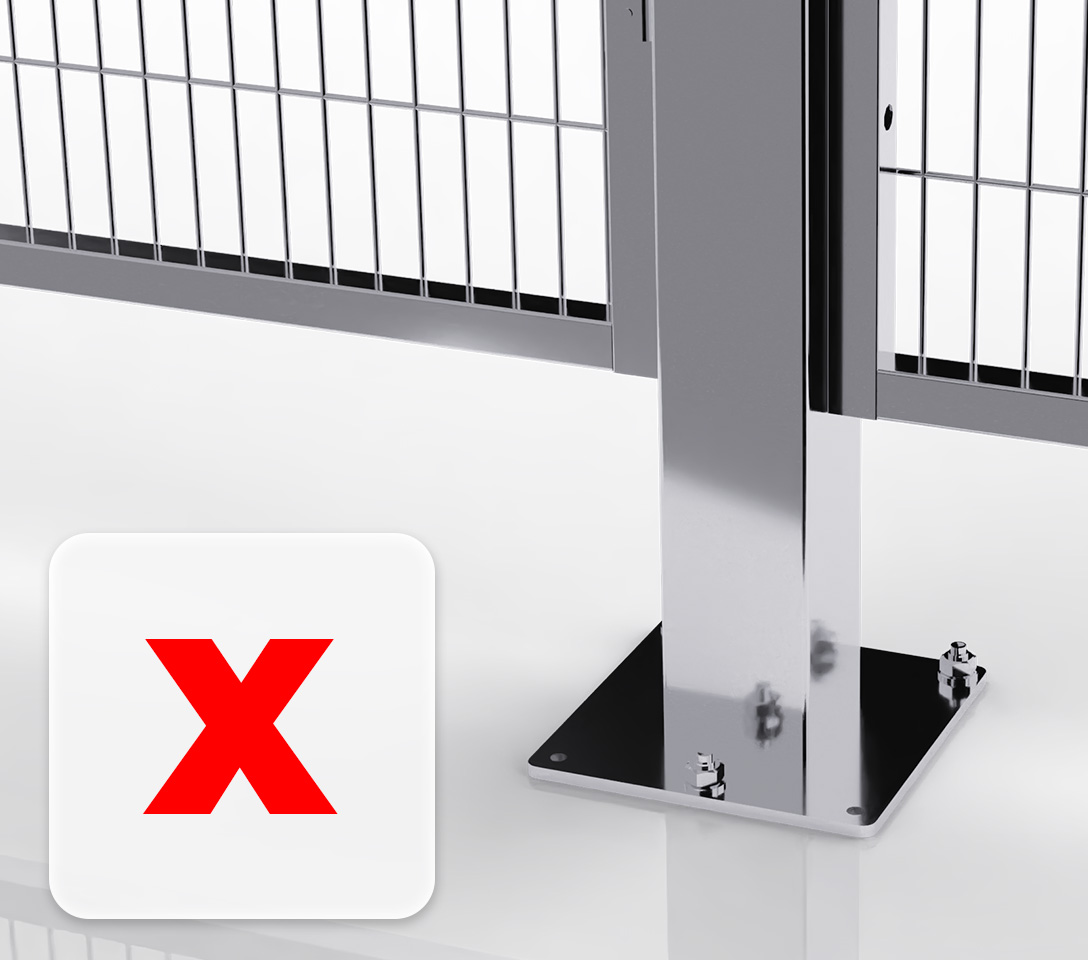
Gabriele Mastrandrea then discussed regulations on industrial guards, emphasizing the importance of compliance with EN ISO 14120 and hygiene-focused Standards like EN ISO 14159. He illustrated that simply using stainless steel components isn’t sufficient; features like reduced floor contact, component visibility, and minimized horizontal surfaces are essential for effective Hygienic Design.
Mastrandrea highlighted specific design features essential for machine guards in food production. These elements include minimizing floor contact, ensuring inspectable components, and reducing horizontal surfaces that could harbor contaminants. He underscored that selecting the appropriate guards should be preceded by a comprehensive Risk Analysis as outlined by EN ISO 12100 to meet both safety and hygiene standards.
Andrea Grassi closed the session with a focus on safety-switching devices. Grassi provided practical advice on integrating Interlocks that meet hygiene principles in food environments. Where full compliance proves challenging, alternative solutions - e.g. optimized components or light curtains - play a crucial role.
An Active Exchange Among Professionals
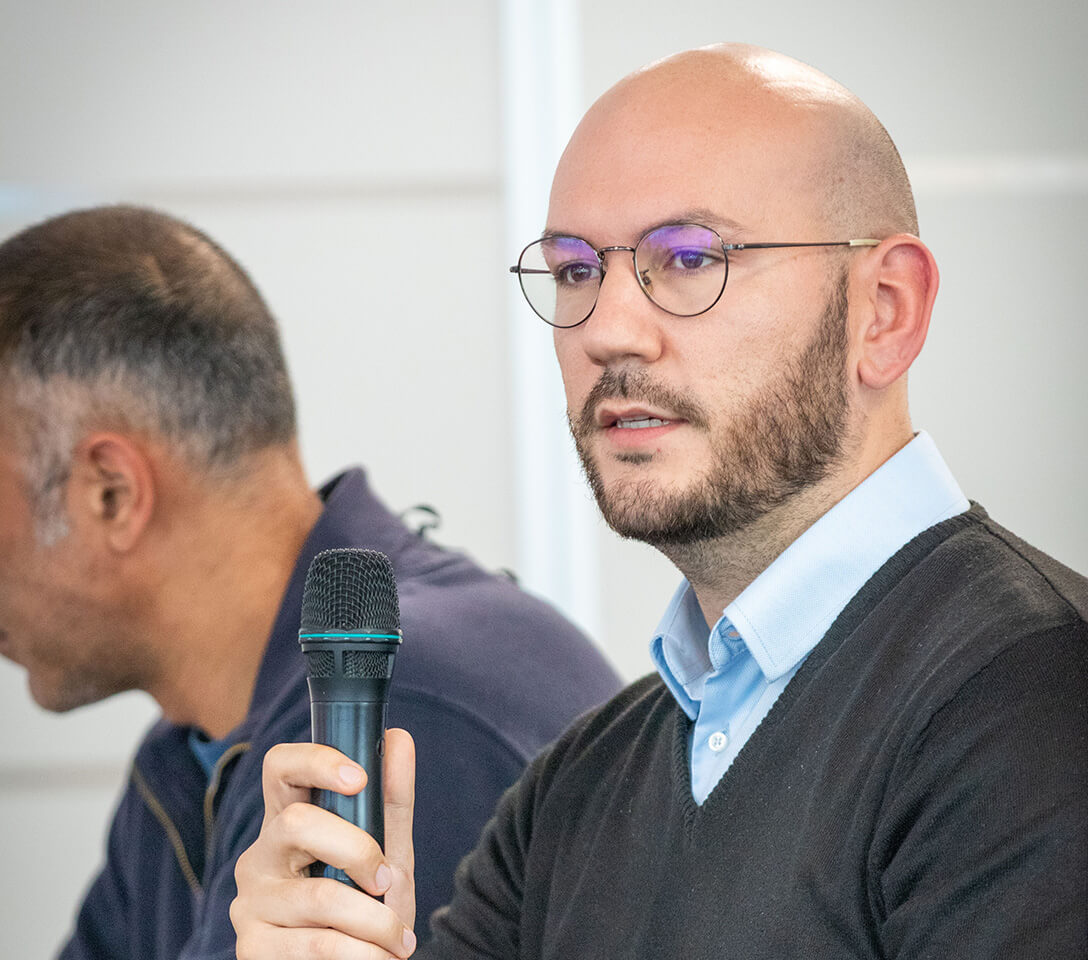
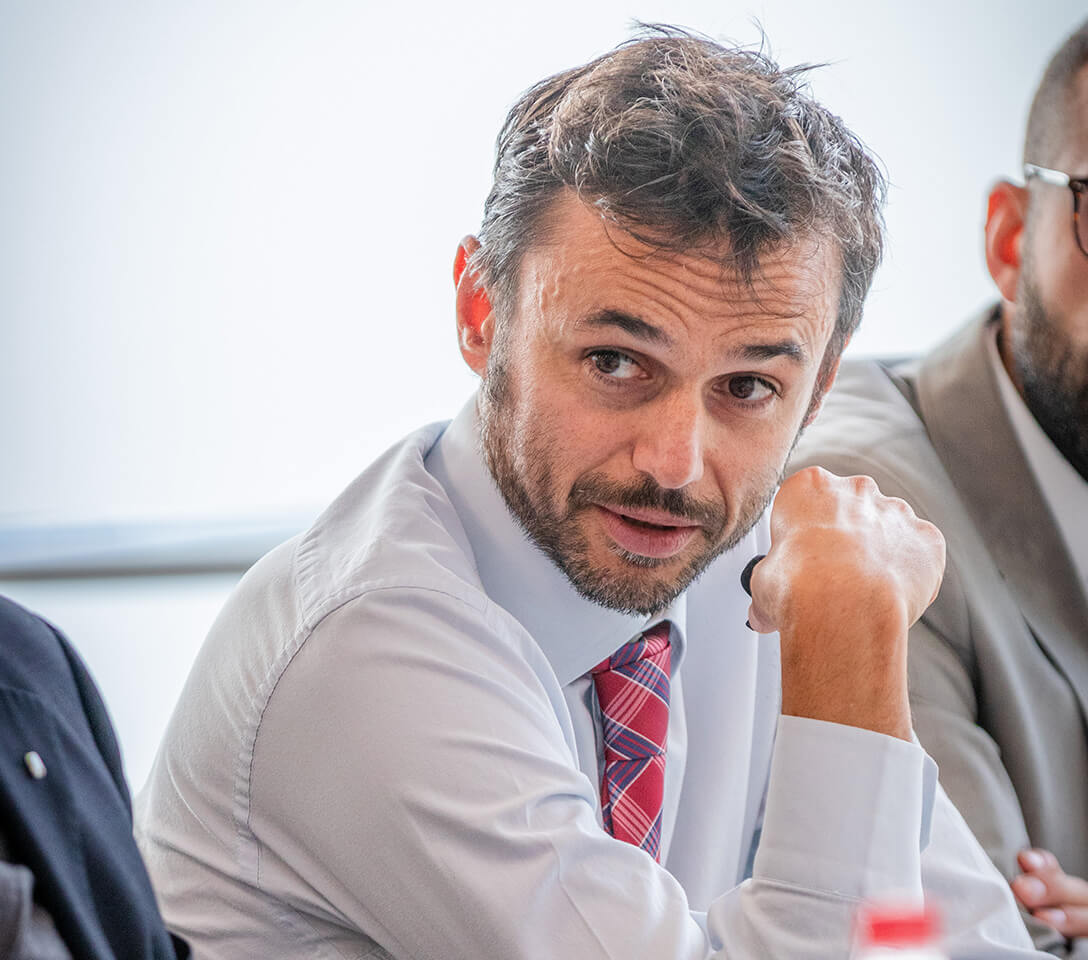
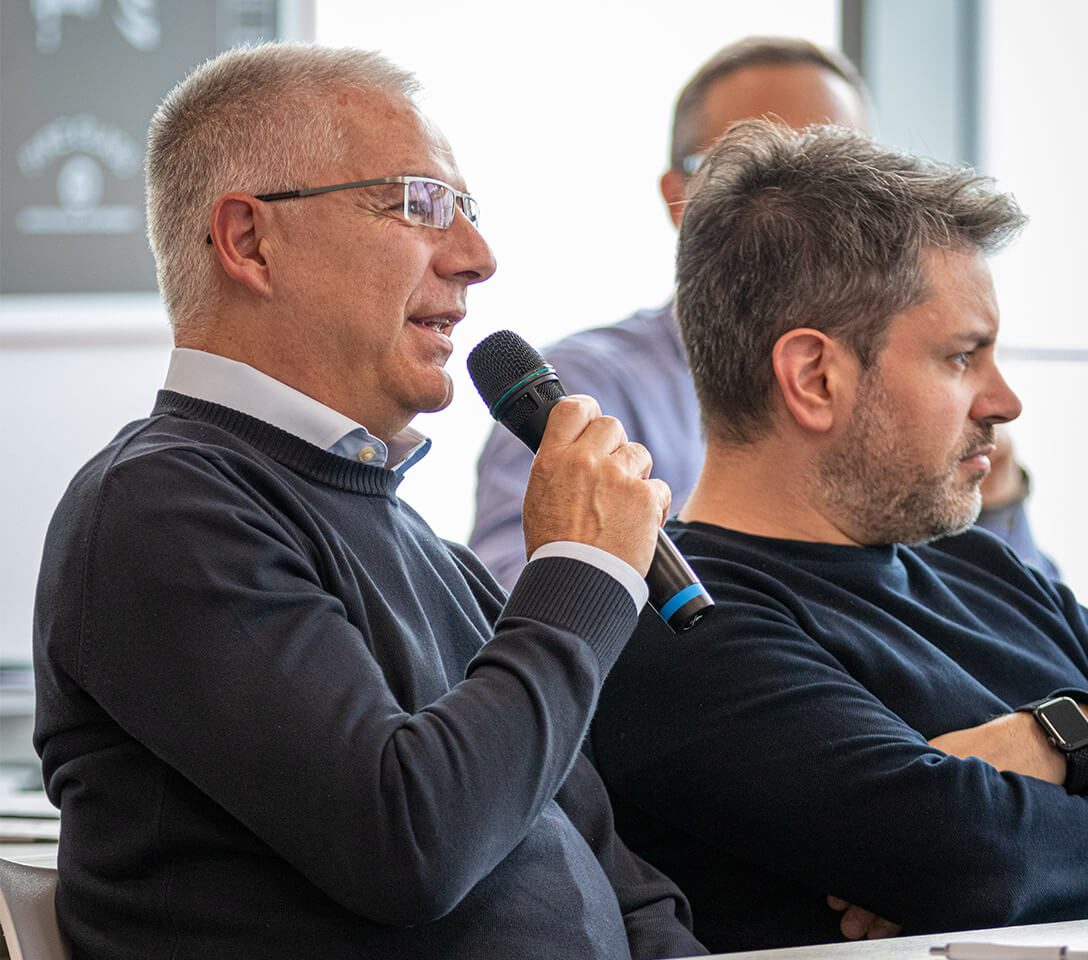
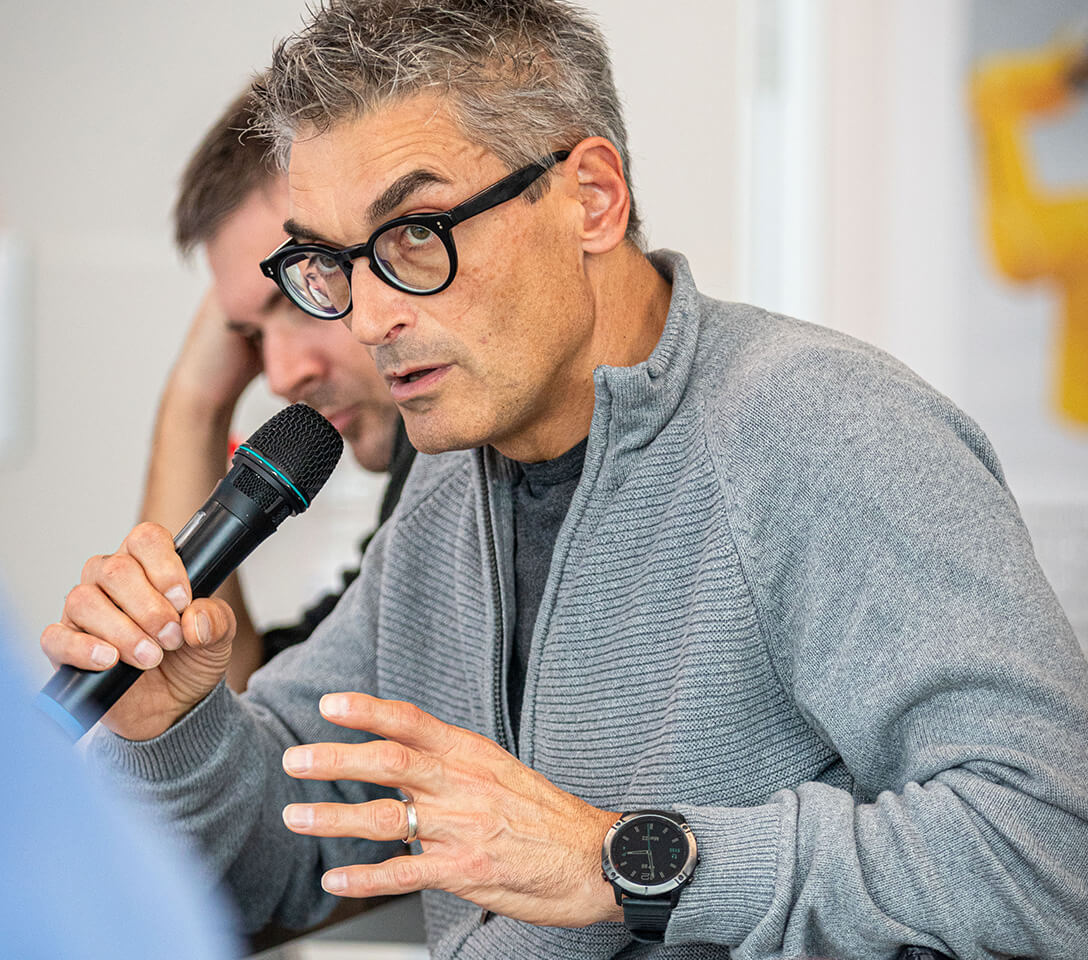
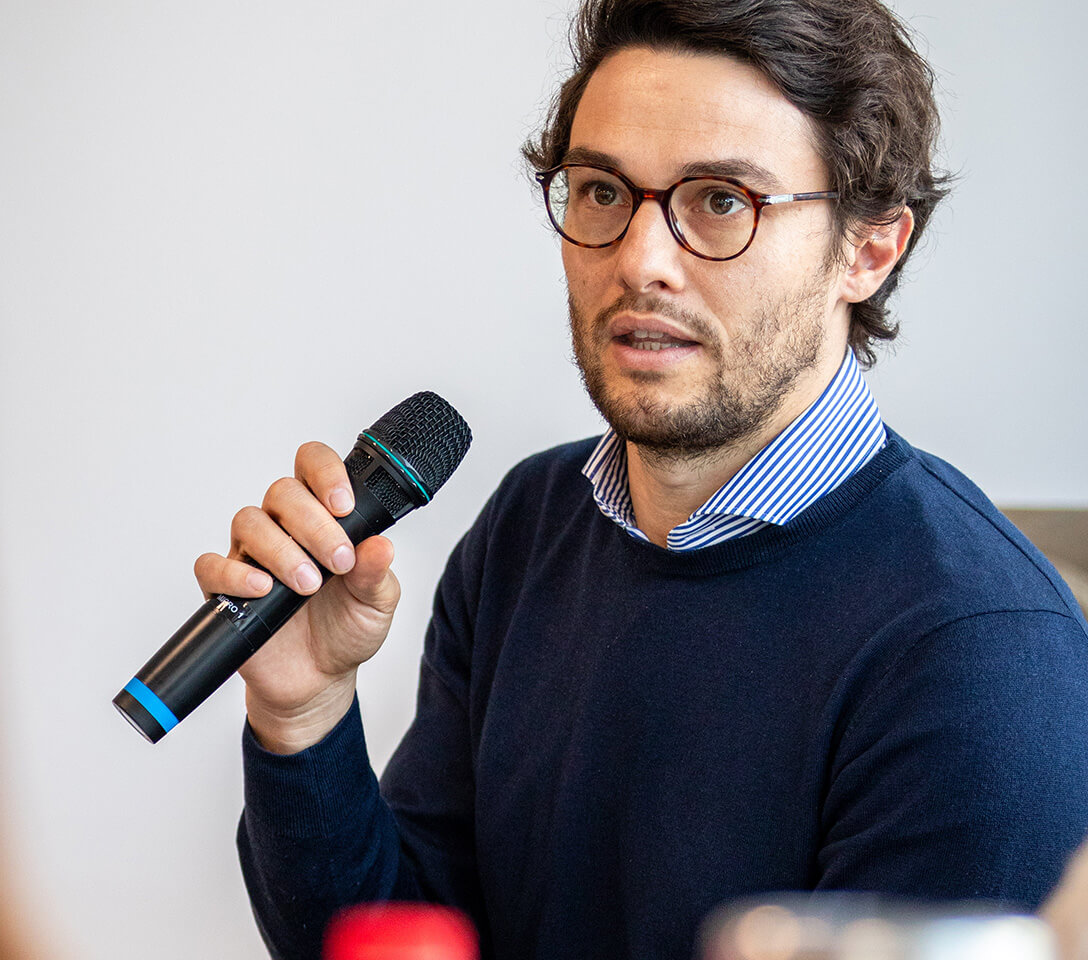
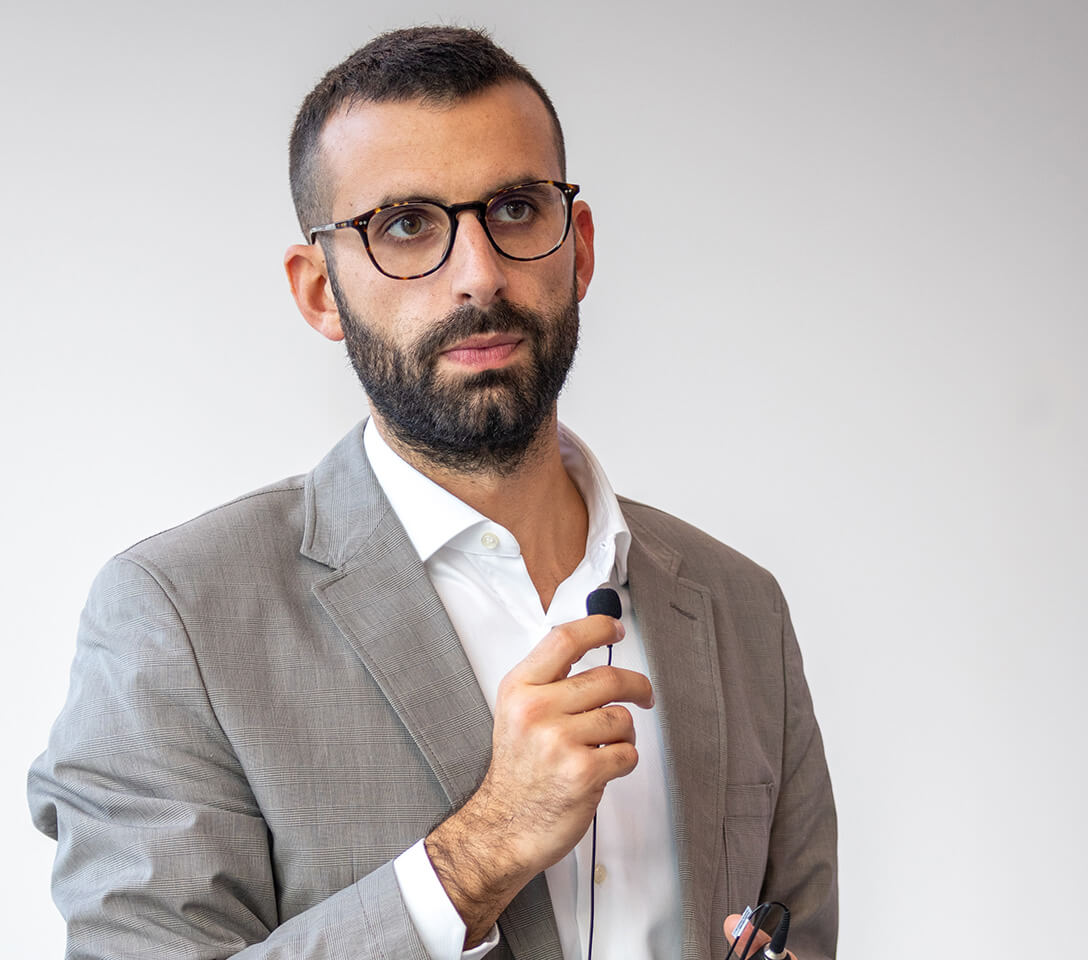
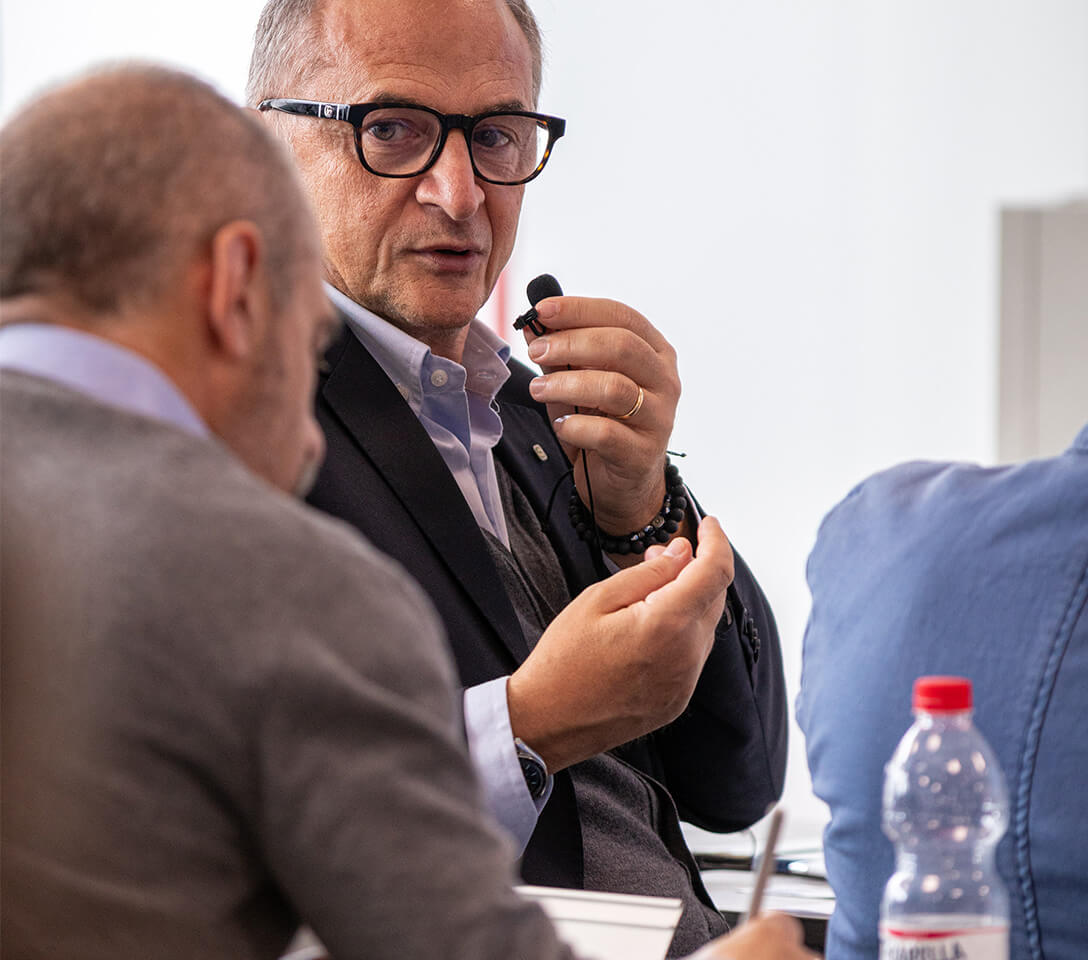
During the concluding session, participants had the chance to engage directly with the speakers, fostering a lively exchange of ideas, experiences, and practical solutions. This informal yet invaluable moment allowed for deeper insights into the topics discussed and fostered new connections within the industry, enriching the event with fresh perspectives.
United in a Culture of Safety
The Hygienic Design Conference proved invaluable for dialogue and networking among participants, promoting a widespread Culture of Safety. Our collaboration with Schmersal, Stäubli, SIIIA and the industry professionals and companies in attendance made this experience possible.